The Fire Safety (England) Regulations 2022: a plain-English guide for responsible persons

The Fire Safety (England) Regulations 2022 came into force on 23 January 2023, made under Article 24 of the Regulatory Reform (Fire Safety) Order 2005 (the “Fire Safety Order”). They implement a number of recommendations from the Grenfell Tower Inquiry’s first phase report, and they add specific, practical duties for the responsible person of multi-occupied residential buildings.
If you carry out or commission fire risk assessments, it’s worth understanding what changed — because these duties sit alongside the existing assessment obligations, not instead of them.
Who the regulations apply to
The duties are tiered by building type:
- All multi-occupied residential buildings with two or more sets of domestic premises and common parts.
- Buildings above 11 metres in height — with additional duties around fire doors.
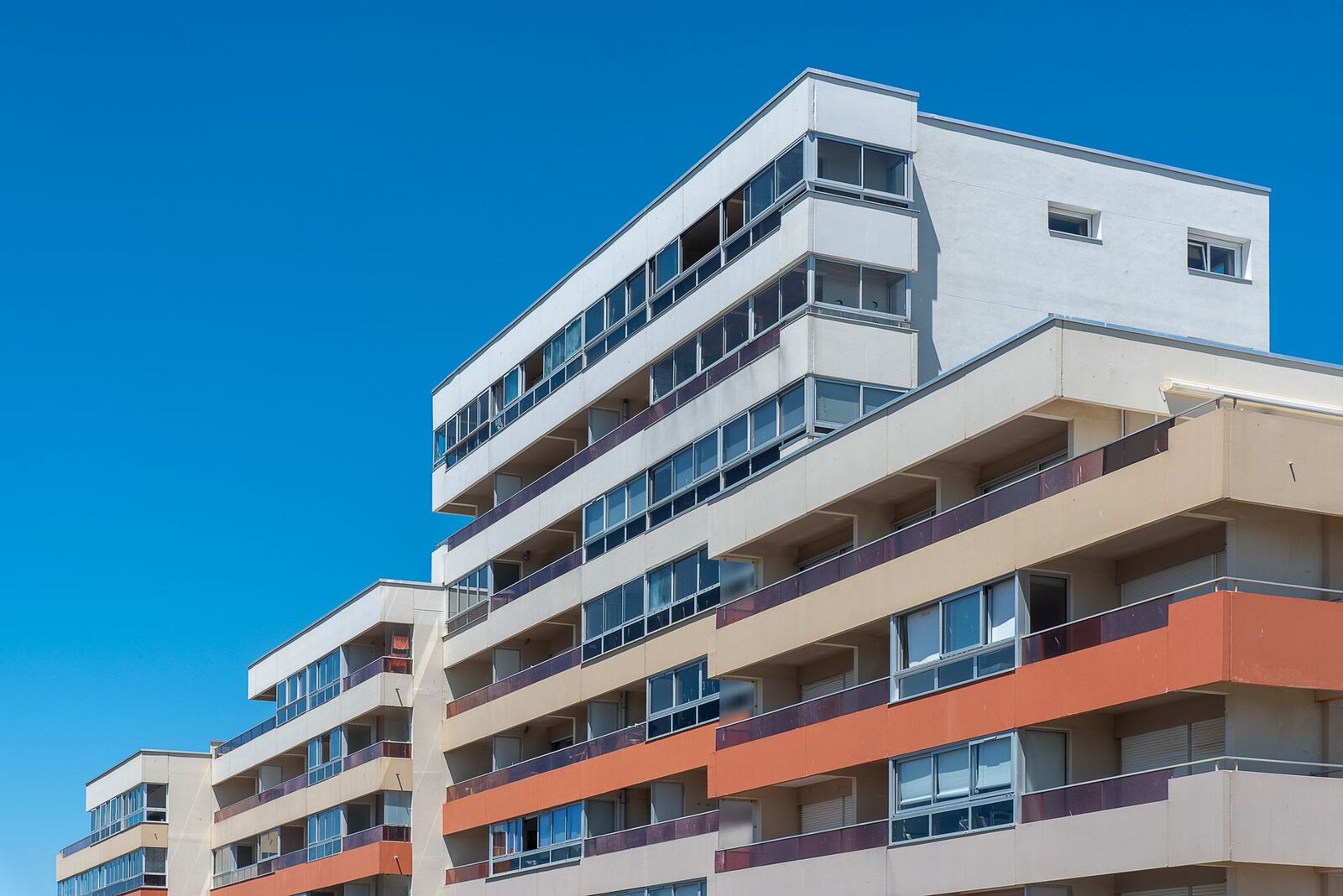
- High-rise residential buildings (broadly, 18 metres or at least 7 storeys) — with the most extensive duties.
The taller and more complex the building, the more the regulations ask of the responsible person.
The core duties in practice
Depending on the building, responsible persons may need to:
- Share information with Fire and Rescue Services — including up-to-date electronic floor plans and building plans for high-rise residential buildings, and installing a secure information box on site.
- Provide residents with fire safety instructions — clear, accessible information on what to do in a fire, aligned to the building’s evacuation strategy.
- Give residents information about fire doors — reminding them not to tamper with self-closing devices and to report faults.
- Carry out routine checks — for example, quarterly checks of fire doors in common parts and annual checks of flat entrance doors in high-rise buildings, plus monthly checks of firefighting lifts and key equipment.
- Install wayfinding signage that is visible in low light, in high-rise residential buildings.
How this connects to your fire risk assessment
None of this replaces the fundamental duty to carry out a suitable and sufficient fire risk assessment under the Fire Safety Order. Instead, the 2022 Regulations give you a concrete checklist of building-specific measures to assess, document and maintain — and a clear expectation that records are kept and kept current.
That’s exactly the kind of thing that’s easy to lose in a Word document and hard to prove after the fact. A structured assessment that flags high-rise-specific questions automatically, records the checks, and produces a defensible report makes staying on top of these duties far more manageable.
The bottom line
The Fire Safety (England) Regulations 2022 formalise a set of sensible, resident-focused fire safety practices — with the heaviest requirements on high-rise residential buildings. If you’re responsible for one of these buildings, the key is consistency: assess against the right requirements, keep records current, and make sure residents and the Fire and Rescue Service have what they need.
This article is general guidance, not legal advice, and does not guarantee compliance. Always refer to the current legislation and take advice from a competent professional for your specific building.