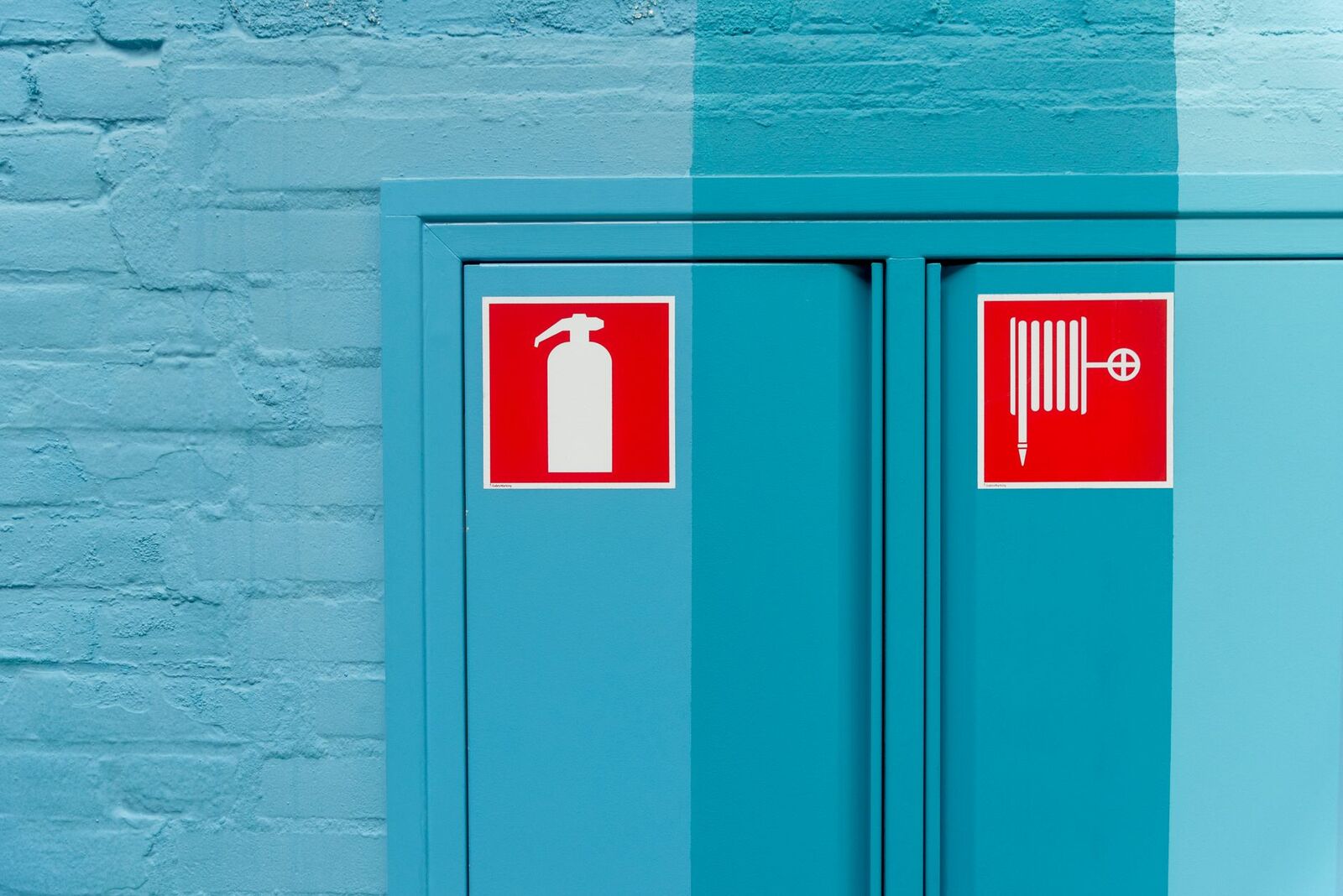
How to write a fire risk assessment: a step-by-step guide


A fire risk assessment is a structured look at a building to identify what could cause a fire, who could be harmed, and what needs to be done to keep people safe. Under the Fire Safety Order, a suitable and sufficient assessment is a legal requirement for most non-domestic premises and the common parts of residential buildings.
The widely used approach follows five steps. Here’s how they work in practice.
Before you start
Be clear on two things: the scope (which building, and which parts) and competence. A fire risk assessment should be carried out by someone with sufficient training, knowledge and experience for the complexity of the building. For anything but the simplest premises, that usually means a competent fire risk assessor.
Step 1: Identify the fire hazards
Look for the three ingredients of a fire:
- Sources of ignition — heaters, electrical equipment, cooking, smoking, hot works.
- Sources of fuel — waste, packaging, furnishings, flammable liquids and gases.
- Sources of oxygen — ventilation, and anything that could feed a fire.
Step 2: Identify people at risk
Consider everyone who could be affected: staff, visitors, contractors, and anyone especially at risk — people working alone, in isolated areas, or who may need assistance to evacuate. In residential buildings, think about residents, including those who are less mobile.
Step 3: Evaluate, remove, reduce and protect
For each hazard, evaluate the risk and decide what to do:
- Remove or reduce the hazard where you can.
- Protect people with appropriate measures — detection and warning, escape routes and exits, emergency lighting, signage, firefighting equipment, and maintenance regimes.
This is where professional judgement matters most, and where recommendations should be prioritised by risk.
Step 4: Record, plan and train
Record your significant findings and the actions taken or required. Prepare an emergency plan, and make sure people receive the information and training they need. A clear, well-structured record is what makes an assessment defensible later.
Step 5: Review
A fire risk assessment is not a one-off. Review it regularly, and whenever there’s a significant change — to the building, its use, occupancy, or after an incident or near miss.
Common pitfalls
- Treating it as a tick-box exercise rather than a genuine evaluation.
- Vague, un-prioritised actions that are hard to act on.
- Poor records that can’t demonstrate what was assessed and why.
- Never revisiting the assessment after the building changes.
The bottom line
A good fire risk assessment is systematic, prioritised and properly recorded — and kept current. Structured tooling that carries your findings through to a clear, prioritised report makes the whole process faster and far easier to defend.
This article is general guidance, not legal advice, and does not guarantee compliance. Always refer to the current legislation and take advice from a competent professional for your specific building.