The Building Safety Act 2022 and high-rise residential buildings

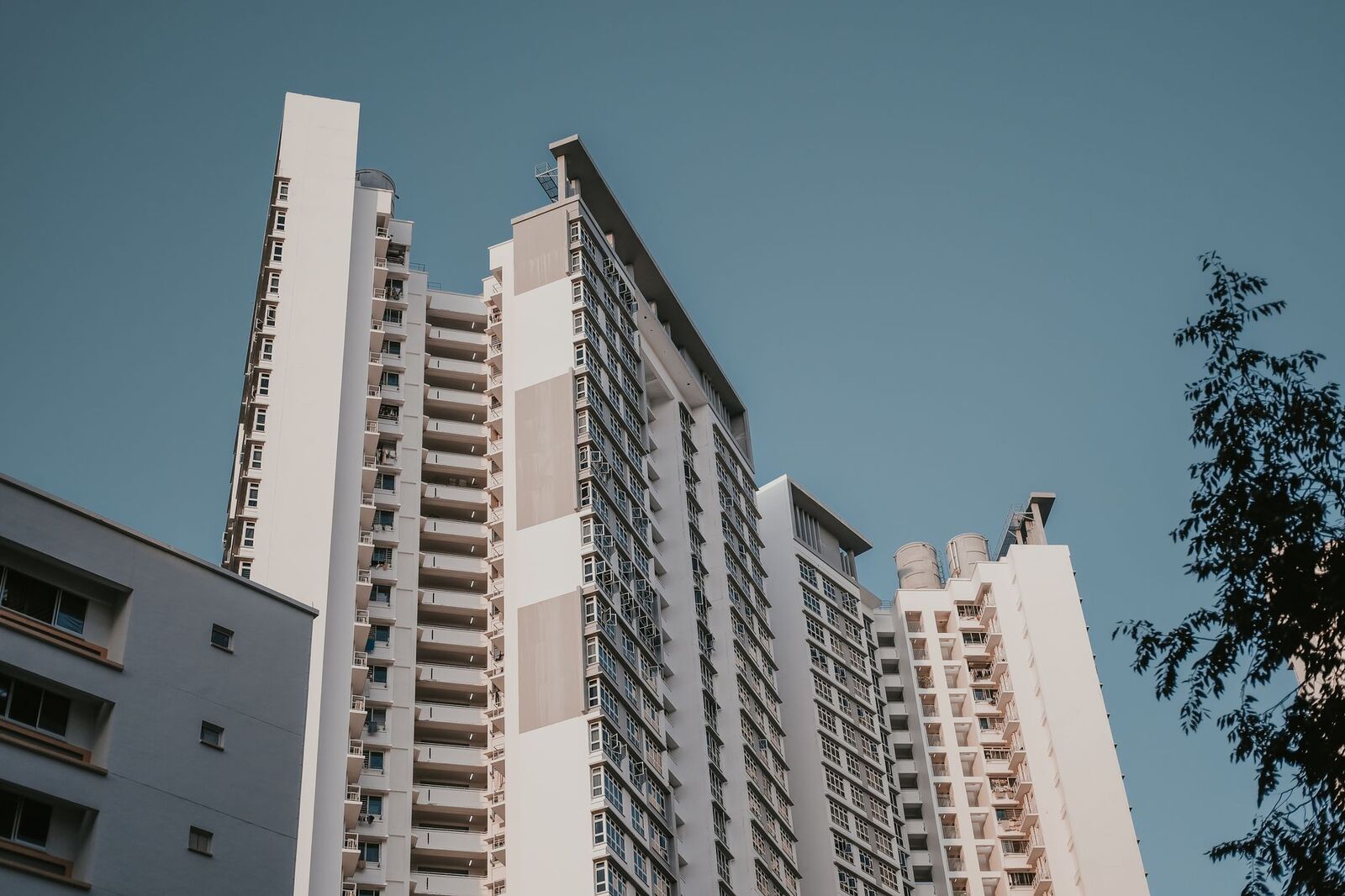
The Building Safety Act 2022 is the most significant change to building safety law in a generation. Introduced in the wake of the Grenfell Tower tragedy, it creates a stricter regime for the highest-risk residential buildings — and adds new duties that sit alongside the Fire Safety Order.
What counts as a higher-risk building
For the occupation phase, a higher-risk building is broadly one that is at least 18 metres tall or has at least 7 storeys, and contains at least two residential units. These are the buildings the new regime focuses on most tightly.
The new regime in occupation
Several things change once a higher-risk building is occupied:
- The Building Safety Regulator (BSR) — established within the Health and Safety Executive — oversees the regime.
- Accountable persons and a principal accountable person carry duties for managing building safety risks. The accountable person is, broadly, whoever owns or is responsible for maintaining the relevant parts of the building.
- Higher-risk buildings must be registered with the Regulator.
- The principal accountable person must produce a safety case report setting out how building safety risks are being identified and managed.
- A golden thread of accurate, up-to-date building information must be kept and maintained.
- There are duties around mandatory occurrence reporting of safety issues.
What it means for fire risk assessments
The Act doesn’t replace the fire risk assessment — it raises the bar around it. For higher-risk buildings, assessments feed into a much bigger picture: the safety case, the golden thread of information, and ongoing risk management. External wall systems, in particular, may need specialist appraisal.
Practically, that means assessing these buildings against the right, building-specific requirements and keeping structured, current records that can feed a safety case — not findings buried in a one-off document.
The bottom line
For high-rise residential buildings, building safety is now an ongoing, evidenced discipline with named duty holders and a regulator watching. Assessors working on these buildings need to understand the wider regime and produce records that stand up as part of it.
This article is a general overview, not legal advice. The Building Safety Act regime is detailed and evolving — always refer to the current legislation and Building Safety Regulator guidance, and take specialist advice for higher-risk buildings.